
In the world of digital marketing, visibility is everything. A beautifully designed website with valuable content will not achieve its full potential if search engines struggle to discover or understand it. That’s where sitemaps play a crucial role.
What is a Sitemap?
A sitemap is a structured file—often in XML or HTML format—that lists the pages, media, and other important elements of a website. It acts as a roadmap for search engines like Google and Bing, guiding their crawlers through your site’s structure so they can index your content more efficiently.
Why Sitemaps Matter
1. Faster and More Accurate Indexing
Search engine crawlers use sitemaps to identify and prioritize pages. Without one, crawlers may overlook key sections of your website, especially if your site is large, complex, or has limited internal linking. A sitemap ensures that important pages don’t get lost.
2. Improved SEO Performance
By making it easier for search engines to understand your website structure, sitemaps improve your chances of ranking higher. They highlight fresh content, updates, and priority pages, giving crawlers a clear signal about what matters most.
3. Essential for Large or Dynamic Websites
E-commerce sites, blogs, and platforms with thousands of pages or frequently changing content benefit greatly from sitemaps. New product pages, blog posts, or updates can be quickly discovered and indexed.
4. Supports Multimedia and International SEO
Modern sitemaps can include information about videos, images, and multilingual content. This helps search engines surface rich results like video previews or global content in the right language, expanding your reach.
5. Better User Experience (Indirectly)
While sitemaps are primarily for search engines, they indirectly enhance the user experience. By helping crawlers index pages correctly, users are more likely to find the most relevant content quickly when they search.
Types of Sitemaps
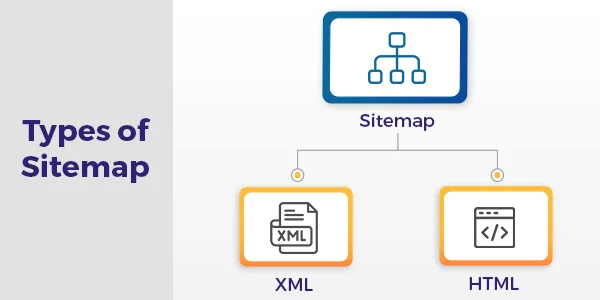
- XML Sitemaps – Designed for search engines, highlighting URLs, update frequency, and priority.
- HTML Sitemaps – Built for users, providing a navigable overview of a site’s structure.
- Specialized Sitemaps – For images, videos, news, or international content.
Best Practices for Sitemaps
- Keep your sitemap updated as your site evolves.
- Ensure it only includes canonical and valuable pages.
- Submit it to Google Search Console and Bing Webmaster Tools.
- Limit each sitemap file to 50,000 URLs (use sitemap index files if needed).